The Lunchbox Challenge
Every parent knows the struggle: packing a lunchbox that is both healthy and appealing to children. Between picky eaters, busy mornings, and the temptation of processed snacks, it can feel impossible to strike the right balance. Yet, a well-prepared lunchbox is more than just a meal — it’s fuel for learning, growth, and play.
This guide explores the importance of nutritious lunchboxes, strategies for overcoming common challenges, creative meal ideas, and practical tips for parents. By the end, you’ll have a toolkit of recipes and approaches to make lunchbox prep less stressful and more rewarding.
Why Balanced Nutrition Matters for Kids
Children need a mix of macronutrients (carbohydrates, proteins, and fats) and micronutrients (vitamins and minerals) to thrive. A balanced lunchbox supports:
Energy: Carbohydrates provide fuel for concentration and play.
Growth: Protein supports muscle and tissue development.
Immunity: Fruits and vegetables supply vitamins and antioxidants.
Focus: Healthy fats aid brain development and sustained attention.
Skipping balance often leads to sugar crashes, fatigue, and poor concentration in class. A thoughtful lunchbox can make a tangible difference in a child’s school day.
Overcoming Picky Eating
Picky eating is one of the biggest hurdles parents face. Strategies include:
Variety: Rotate fruits, veggies, and proteins to keep meals interesting.
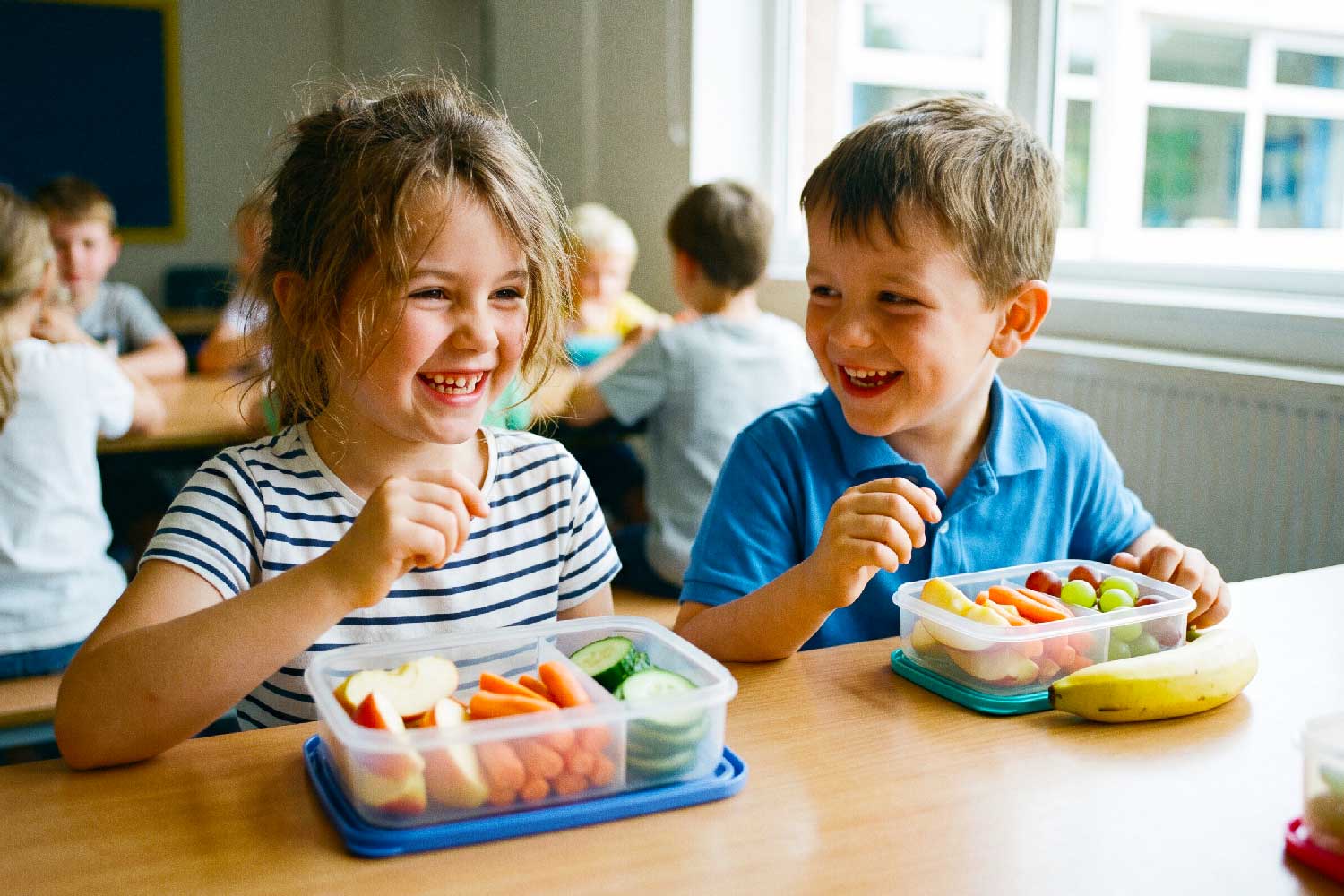
Presentation: Fun shapes, colorful skewers, and compartmentalized boxes make food more appealing.
Involvement: Let kids help choose or prepare items — they’re more likely to eat what they’ve helped create.
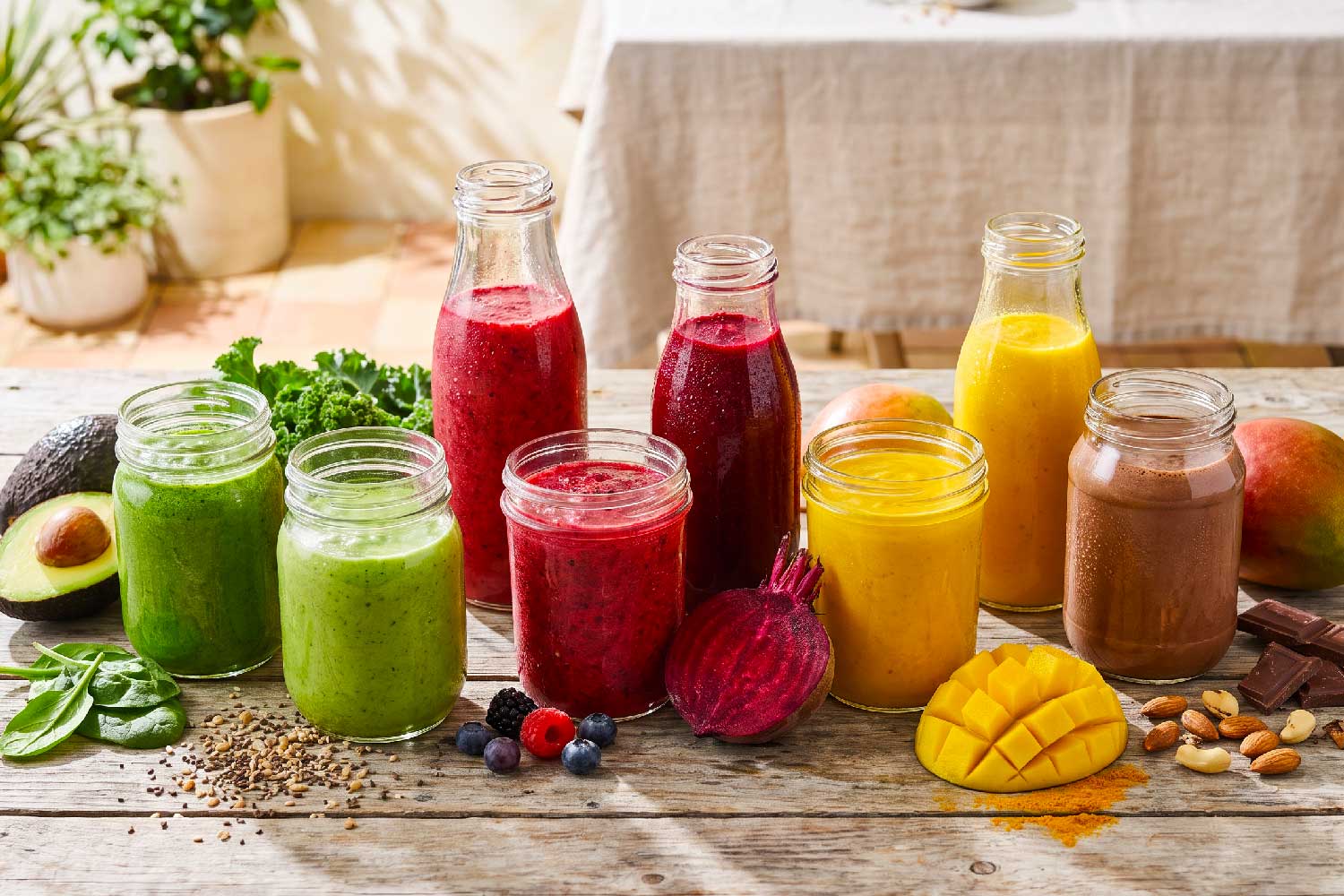
Sneaky Nutrition: Blend spinach into smoothies or add grated carrots to wraps.
The goal isn’t perfection but progress — small wins add up to healthier habits.
Creative Lunchbox Ideas
Here are some practical, kid-friendly options:
Fruit Skewers: Grapes, strawberries, and melon cubes on sticks. Fun, colorful, and packed with vitamins.
Veggie Sticks with Dip: Carrots, cucumber, and celery paired with hummus or yogurt dip. Crunchy and satisfying.
Mini Wraps: Whole-wheat tortillas filled with spinach, cheese, and chicken strips. Balanced and customizable.
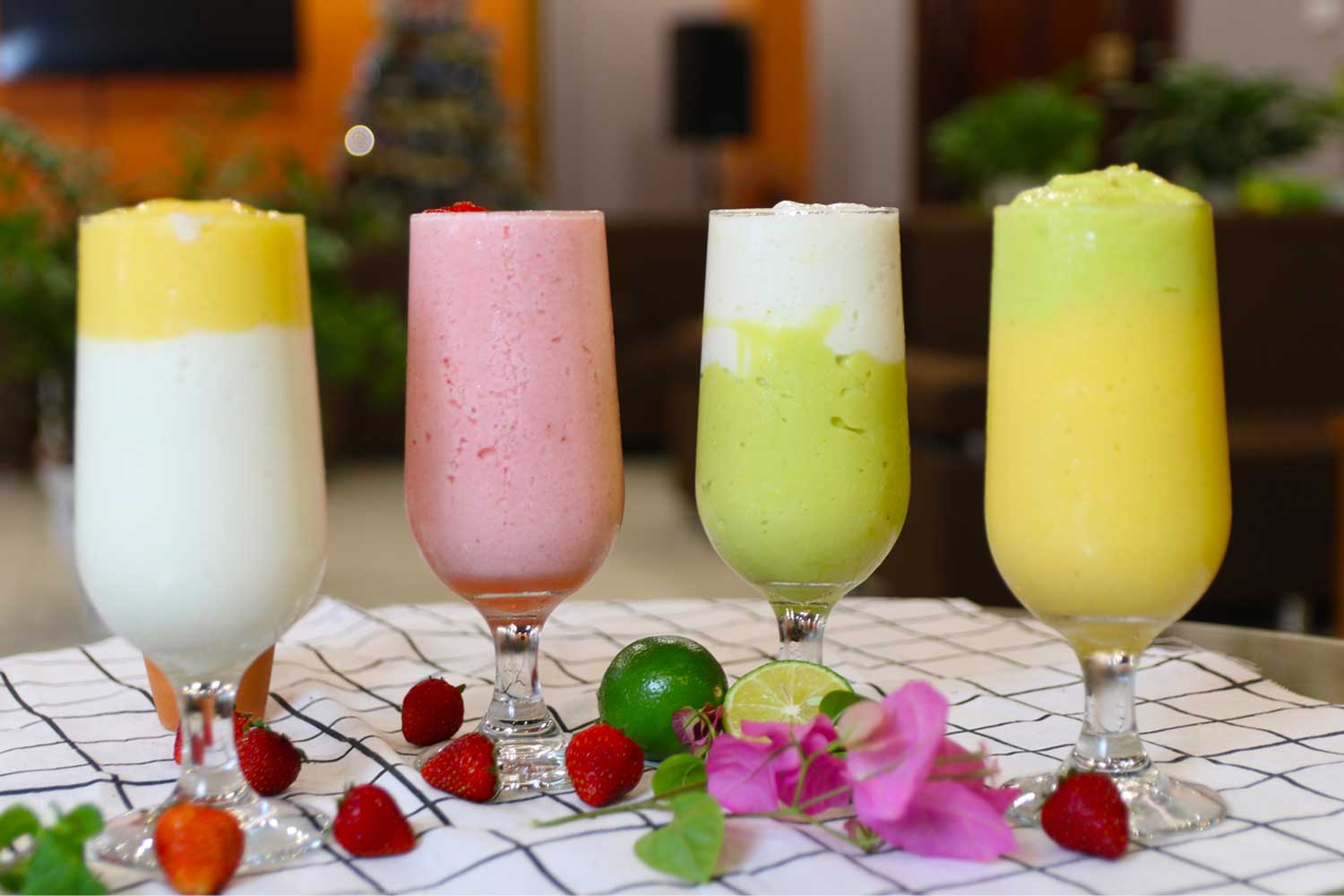
Smoothie-in-a-Jar: Blend fruit and yogurt, then pack in a spill-proof jar. A refreshing alternative to juice.
DIY Trail Mix: Nuts, seeds, dried fruit, and a few dark chocolate chips. Great for energy and focus.
Each option balances nutrition with kid-friendly appeal.
Weekly Lunchbox Planner
Planning ahead saves time and stress. Here’s a sample weekly plan:
Monday: Chicken wrap, apple slices, carrot sticks, yogurt.
Tuesday: Cheese and spinach quesadilla, grapes, cucumber sticks, trail mix.
Wednesday: Egg muffins, banana, cherry tomatoes, popcorn.
Thursday: Tuna pasta salad, orange wedges, celery sticks, granola bar.
Friday: Mini pita pockets with hummus, strawberries, bell pepper sticks, smoothie jar.
This rotation ensures variety and balance across the week.
Involving Kids in Preparation
Children are more likely to eat healthy foods if they feel ownership. Tips:
Shopping Together: Let kids pick one fruit and one veggie each week.
Cooking Together: Involve them in washing, chopping (with safe tools), or assembling wraps.
Creative Choices: Encourage them to design “rainbow lunchboxes” with different colors of produce.
This not only builds healthy habits but also strengthens family bonds.
Practical Tips for Parents
Prep Ahead: Wash and chop fruits and veggies on Sunday for the week.
Use Compartments: Bento-style boxes keep foods separate and visually appealing.
Stay Hydrated: Include a water bottle or fruit-infused water.
Balance Treats: Occasional small treats prevent feelings of restriction.
Leverage Packaging: Use eco-friendly packaging to keep food fresh and reduce waste.
The Psychology of Lunchboxes
Lunchboxes aren’t just about nutrition — they’re about identity and routine. A child who opens a colorful, balanced lunchbox feels cared for and confident. Conversely, a lunchbox filled with processed snacks may lead to sluggishness and poor focus. Parents can use lunchboxes as a subtle but powerful tool to reinforce healthy values.
Conclusion: Lunchboxes as a Tool for Growth and Joy
Healthy lunchboxes are more than meals — they’re daily opportunities to nurture children’s health, focus, and happiness. By balancing nutrition, creativity, and convenience, parents can transform lunchbox prep from a chore into a rewarding ritual.
With strategies for picky eaters, weekly planners, and fun recipes, this guide empowers parents to pack lunchboxes that kids will actually enjoy. The result? Happier children, healthier habits, and less stress for parents.