Why Packaging Matters
When you pick up a punnet of strawberries or a bag of spinach, it’s easy to overlook the packaging. Yet, that thin layer of plastic or cardboard plays a critical role in ensuring the produce reaches you fresh, safe, and appealing. Packaging is not just about aesthetics — it’s about science, sustainability, and consumer convenience. In South Africa, where fresh produce is a staple of daily diets, understanding how packaging preserves freshness can help families reduce waste, save money, and enjoy better quality food.
The Journey from Farm to Consumer
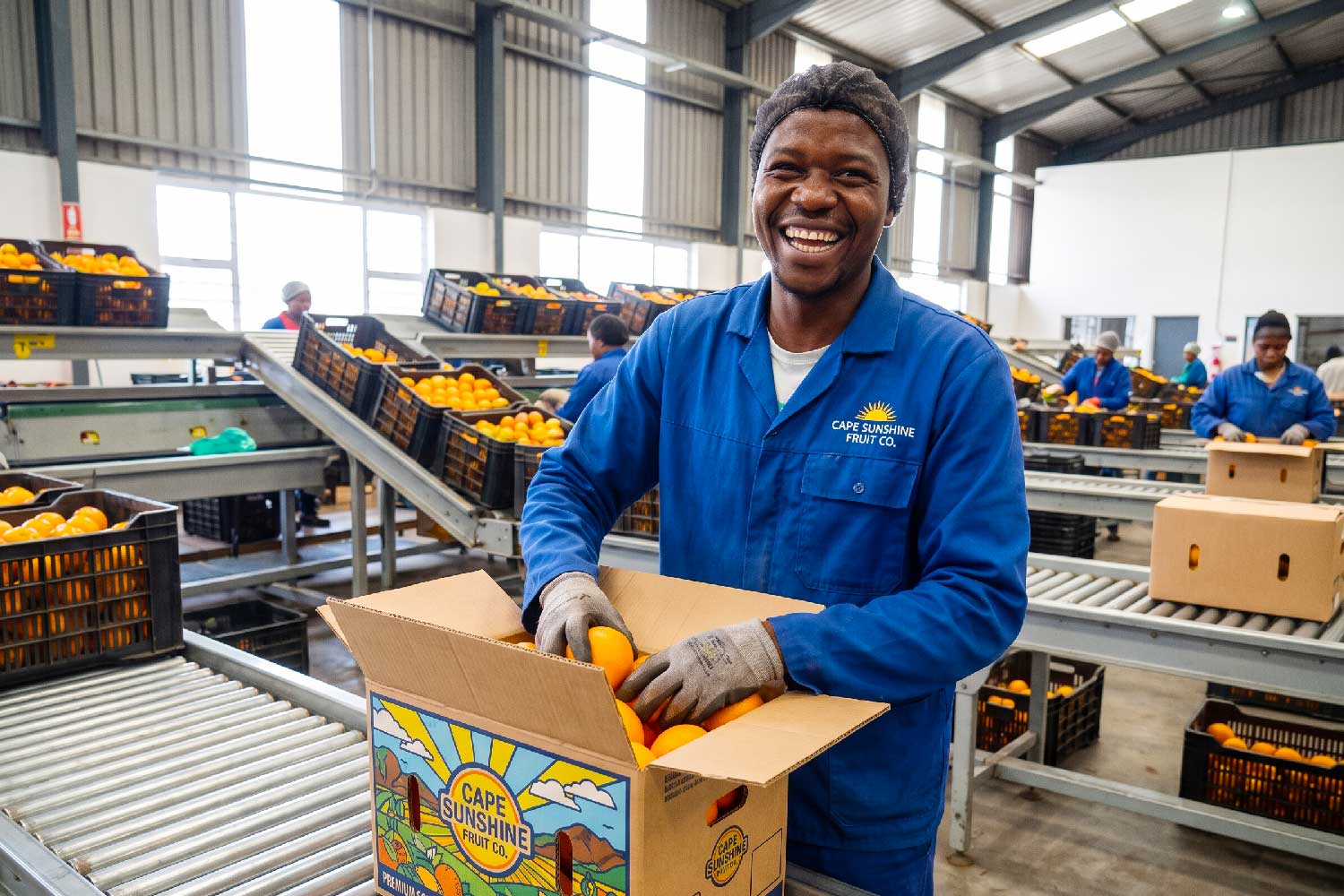
Produce begins its journey in the soil, but by the time it reaches your kitchen, it has traveled through harvesting, sorting, transportation, and retail display. Each stage exposes fruits and vegetables to potential damage, contamination, and spoilage. Packaging acts as a protective shield during this journey.
Harvesting: Delicate fruits like berries are prone to bruising. Packaging provides cushioning.
Transportation: Produce is stacked and shipped over long distances. Packaging prevents crushing and contamination.
Retail Display: Packaging helps maintain hygiene and extends shelf life while allowing consumers to see the product.
Without proper packaging, much of the produce harvested would never make it to the consumer in good condition.
Types of Packaging and Their Roles
Different types of packaging serve different purposes. Here are the most common options used in fresh produce:
Clamshells: Rigid plastic containers ideal for berries, grapes, and cherry tomatoes. They prevent crushing and allow ventilation.
Trays with Film: Used for items like mushrooms or leafy greens, offering both protection and visibility.
Breathable Films: Special films that allow air circulation while maintaining humidity, crucial for leafy greens.
Eco-Friendly Options: Compostable trays, biodegradable films, and recyclable cardboard are increasingly popular as consumers demand sustainable solutions.
Each packaging type balances protection, freshness, and sustainability.
How Packaging Extends Shelf Life
Packaging is designed to slow down natural processes that cause spoilage.
Moisture Control: Packaging reduces water loss, keeping produce crisp.
Gas Exchange: Some packaging regulates oxygen and carbon dioxide levels, slowing ripening.
Temperature Stability: Insulated packaging helps maintain consistent temperatures during transport.
Microbial Protection: Packaging reduces exposure to bacteria and fungi that cause decay.
For example, strawberries in clamshells last several days longer than loose strawberries because the packaging reduces bruising and microbial exposure.
Innovations in Sustainable Packaging
Traditional plastic packaging has raised environmental concerns. The industry is responding with innovative solutions:
Biodegradable Films: Made from plant-based materials, these break down naturally.
Compostable Trays: Designed to decompose in composting facilities, reducing landfill waste.
Recyclable Cardboard: Lightweight and eco-friendly, often used for apples and pears.
Edible Coatings: A cutting-edge innovation where fruits are coated with a thin, edible layer that slows spoilage.
South African companies are increasingly adopting these solutions to meet consumer demand for sustainability.
Consumer Tips for Storing Produce at Home
Packaging does its job during transport and retail, but consumers also play a role in maintaining freshness.
Keep Produce in Original Packaging: Removing items can reduce shelf life.
Refrigerate Appropriately: Leafy greens last longer in breathable packaging in the fridge.
Avoid Overcrowding: Allow air circulation in the fridge to prevent moisture buildup.
Freeze Excess: Many fruits can be frozen in their packaging for smoothies or cooking.
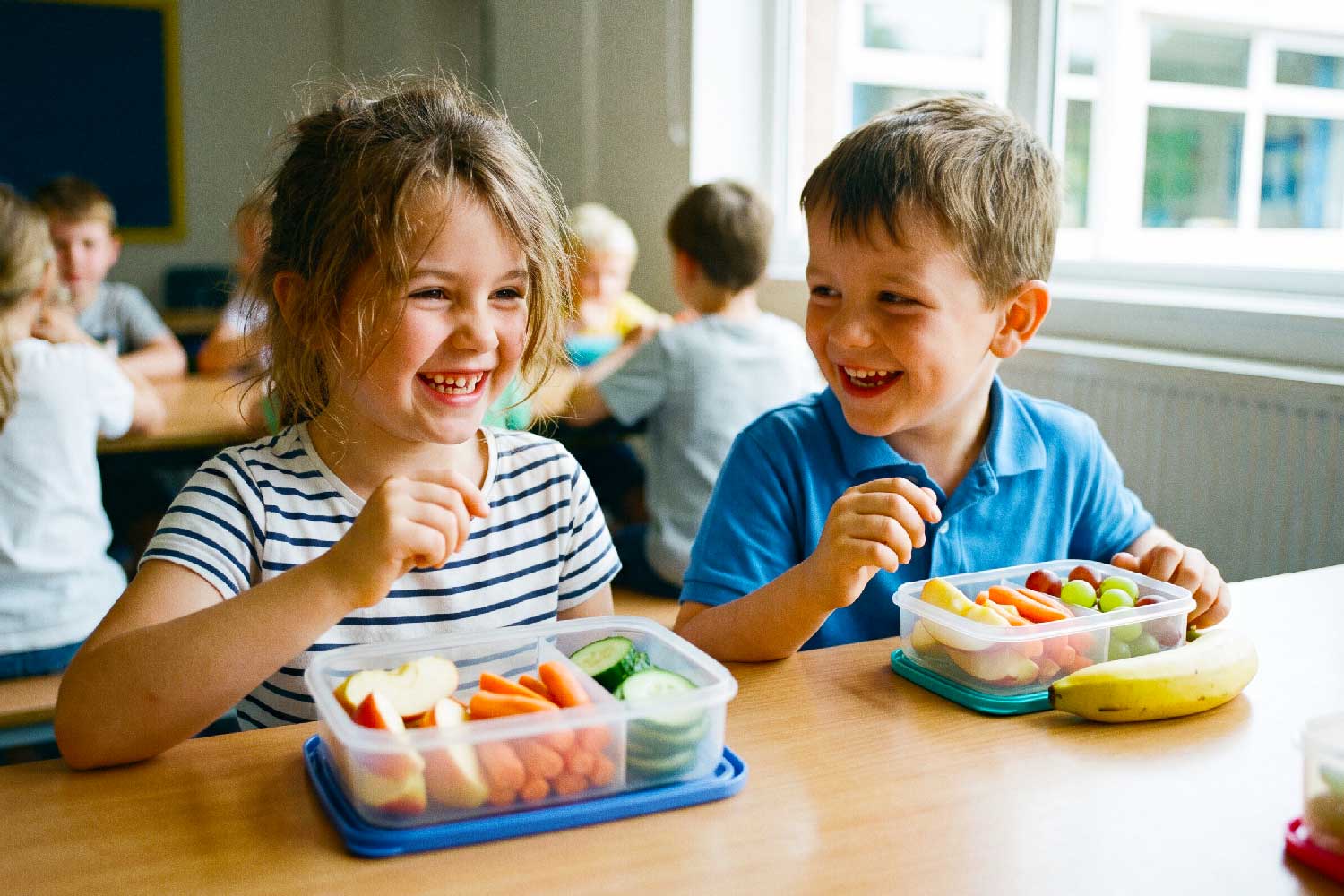
Reuse Packaging: Trays and clamshells can be repurposed for storage at home.
By following these tips, families can extend the life of their produce and reduce waste.
The Balance Between Freshness and Sustainability
The challenge lies in balancing freshness with environmental responsibility. While plastic packaging is effective, it contributes to pollution. Eco-friendly alternatives may not always offer the same shelf-life benefits. The future of packaging lies in innovation — finding materials that preserve freshness while minimizing environmental impact.
Consumers can support this balance by choosing products in sustainable packaging and recycling whenever possible.
Conclusion: Packaging as a Bridge Between Freshness and Sustainability
Packaging is more than a container — it’s a science-driven solution that ensures produce reaches consumers fresh, safe, and appealing. From clamshells that protect berries to biodegradable films that reduce environmental impact, packaging plays a vital role in modern food systems.
By understanding how packaging works, consumers can make informed choices that benefit their health, wallets, and the planet. The next time you pick up a punnet of strawberries or a tray of spinach, remember: the packaging is quietly working behind the scenes to keep your food fresh and nutritious.