Why Seasonal Eating Matters
In today’s fast-paced world, convenience often drives our food choices. Supermarkets stock strawberries in winter and avocados year-round, thanks to global imports. But eating produce out of season comes at a cost: higher prices, reduced flavor, and a larger carbon footprint. Seasonal eating — choosing fruits and vegetables that naturally thrive during specific times of the year — is a simple yet powerful way to reconnect with nature, save money, and enjoy fresher, more nutritious meals.
South Africa’s diverse climate makes it a paradise for seasonal produce. From juicy citrus in winter to tropical mangoes in summer, each season offers its own bounty. This guide explores the benefits of seasonal eating, highlights what’s available throughout the year, and provides practical tips and recipes to help you embrace this lifestyle.
Understanding South African Seasons and Produce Cycles
South Africa’s climate varies across regions, but broadly, the country experiences four distinct seasons:
Summer (December–February): Hot and sunny, ideal for tropical fruits like mangoes, litchis, and pineapples.
Autumn (March–May): Cooler temperatures bring apples, pears, and pumpkins.
Winter (June–August): Citrus fruits dominate, alongside root vegetables like carrots, sweet potatoes, and beetroot.
Spring (September–November): A transitional season with strawberries, asparagus, and leafy greens.
By aligning your diet with these cycles, you’ll enjoy produce at its peak flavor and nutritional value.
Nutritional Benefits of Eating in Season
Seasonal produce is harvested at peak ripeness, meaning it contains higher levels of vitamins, minerals, and antioxidants compared to out-of-season produce that may have been stored for weeks or shipped across continents.
Winter Citrus: Oranges, naartjies, and grapefruits are rich in vitamin C, boosting immunity during cold months.
Root Vegetables: Sweet potatoes and carrots provide beta-carotene, essential for eye health.
Leafy Greens: Spinach and kale thrive in cooler weather, offering iron, calcium, and antioxidants.
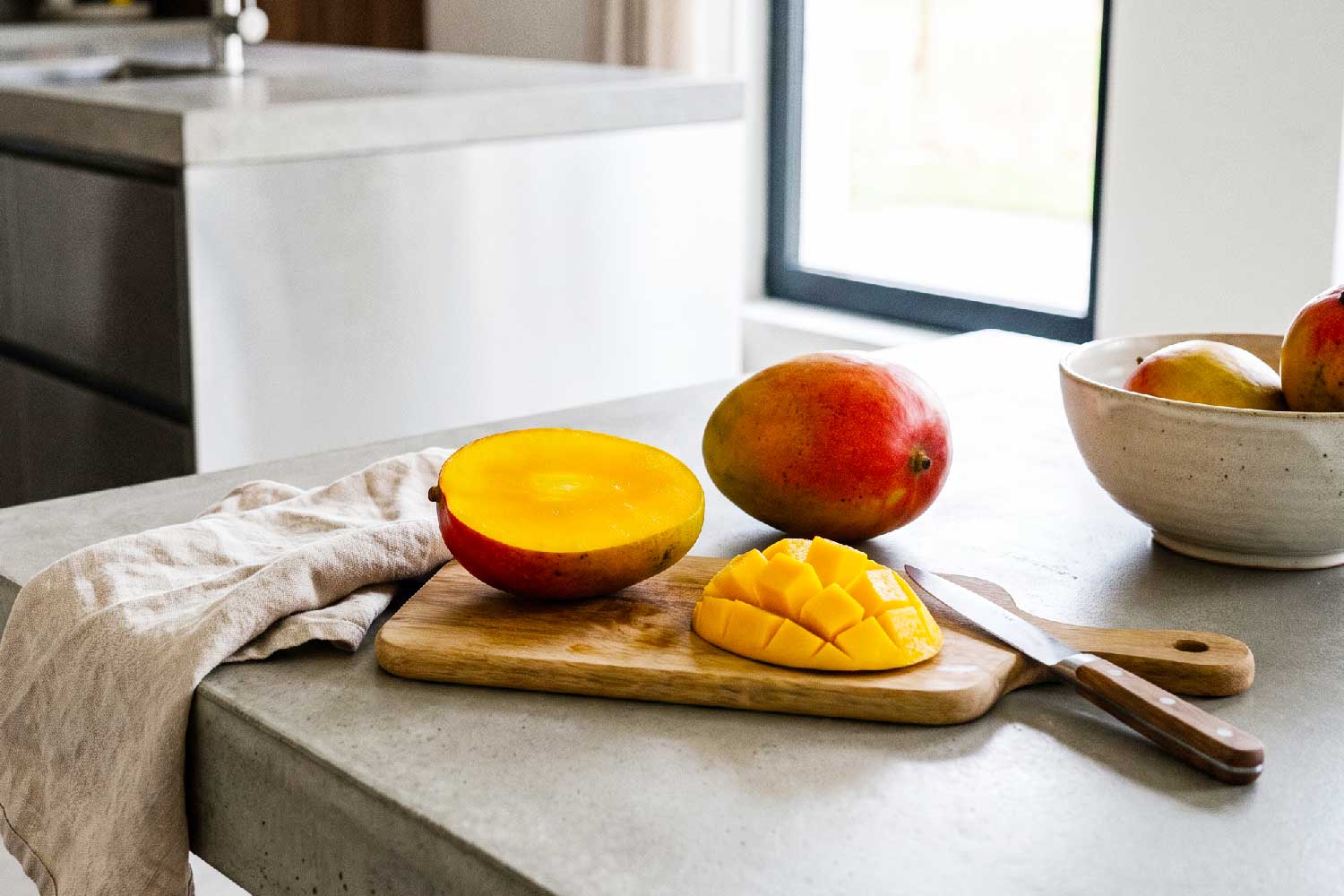
Summer Fruits: Mangoes and litchis are hydrating and packed with vitamin A, supporting skin health.
Eating seasonally ensures your body receives the nutrients it needs at the right time of year — citrus for winter immunity, hydrating fruits for summer heat, and hearty root vegetables for energy in colder months.
Cost Savings and Reduced Food Waste
Seasonal produce is more affordable because it’s abundant and doesn’t require expensive storage or long-distance transport. For example, buying oranges in winter costs significantly less than purchasing imported berries.
Additionally, seasonal eating reduces food waste. Produce harvested locally and sold quickly is fresher and lasts longer in your fridge. By planning meals around what’s in season, families can save money and minimize spoilage.
Environmental Impact and Supporting Local Farmers
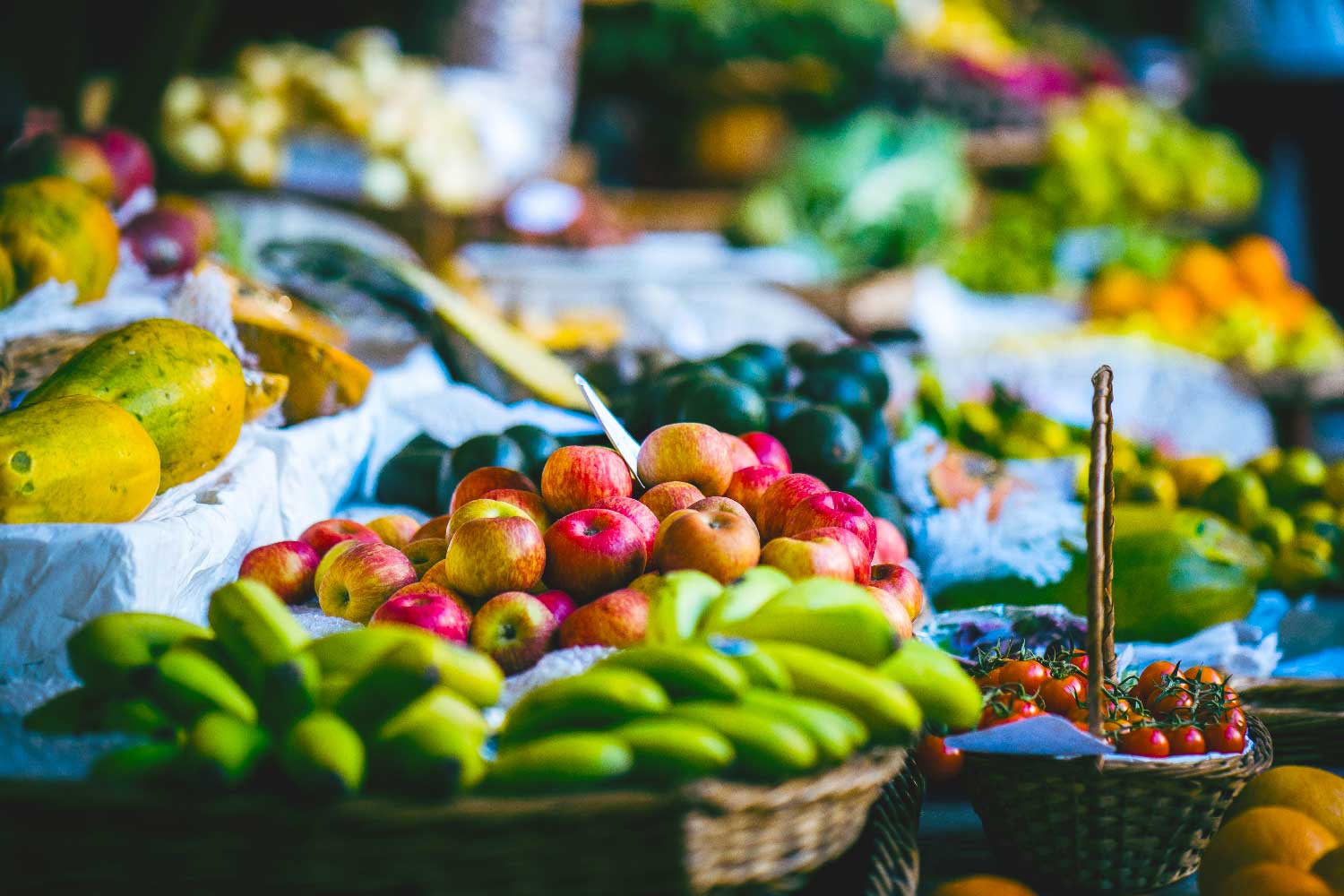
Eating out-of-season produce often means consuming food imported from thousands of kilometers away. This increases carbon emissions from transport and refrigeration. Seasonal eating reduces reliance on imports, supporting local farmers and lowering your environmental footprint.
Supporting local markets also strengthens communities. When you buy directly from farmers or local suppliers, you contribute to sustainable agriculture and ensure fairer wages for producers.
Seasonal Recipes and Meal Ideas
Here are some practical ways to enjoy seasonal produce throughout the year:
Winter (June–August)
Citrus Salad: Orange segments, spinach, walnuts, and a honey-lemon dressing.
Roasted Root Veggie Tray: Carrots, beetroot, and sweet potatoes seasoned with rosemary.
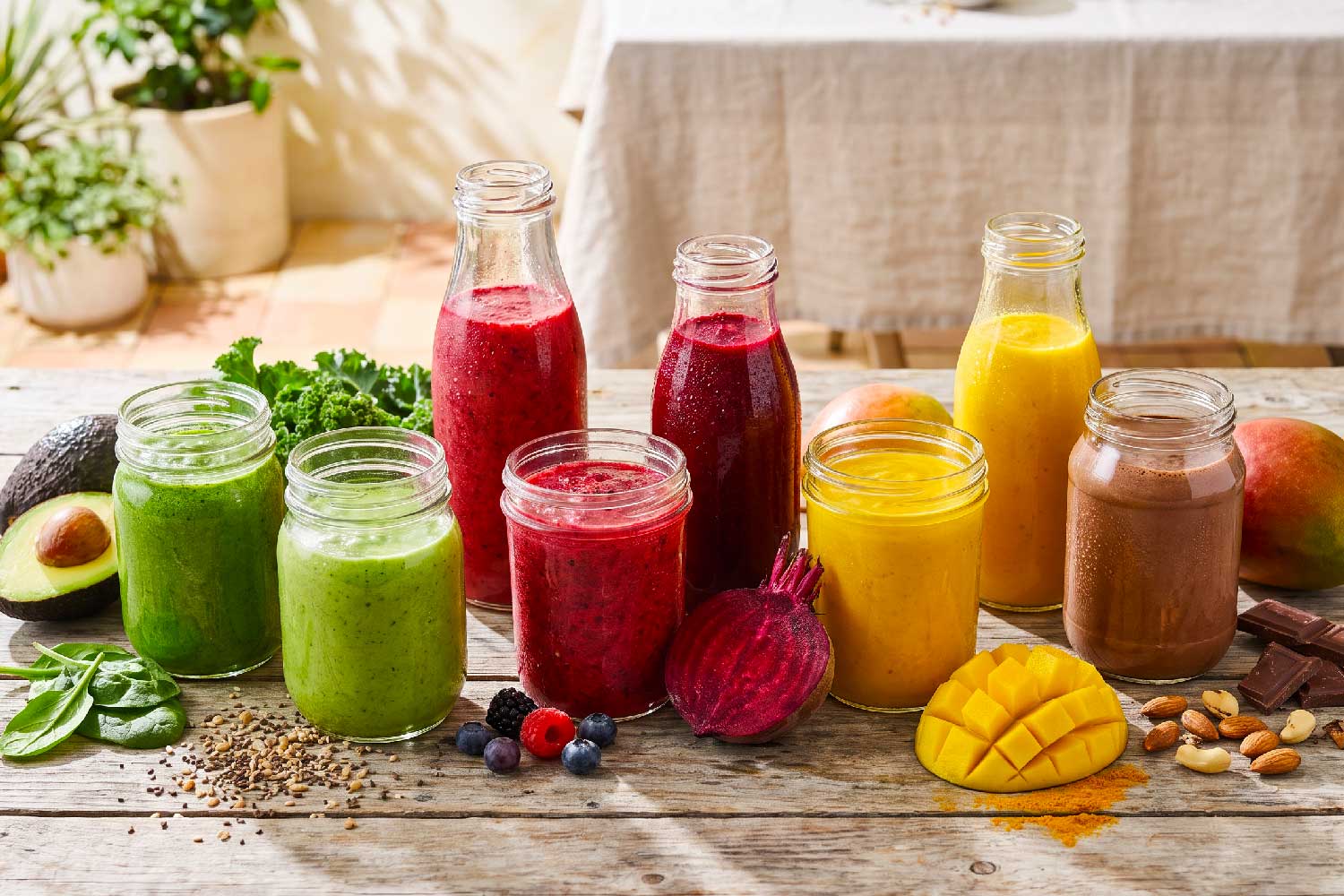
Immune-Boosting Smoothie: Grapefruit, orange, carrot, and ginger blended with water.
Summer (December–February)
Tropical Fruit Salad: Mango, pineapple, and litchis with a drizzle of lime juice.
Mango Smoothie Bowl: Mango blended with banana, topped with granola and seeds.
Grilled Veggie Skewers: Bell peppers, baby marrows, and onions brushed with olive oil.
Autumn (March–May)
Apple and Pear Crumble: A warm dessert with oats and cinnamon.
Pumpkin Soup: Creamy pumpkin blended with garlic and nutmeg.
Pear and Spinach Salad: Fresh pears, spinach, feta, and pecans.
Spring (September–November)
Strawberry Parfaits: Layers of strawberries, yogurt, and granola.
Asparagus Stir-Fry: Asparagus, mushrooms, and garlic sautéed in olive oil.
Green Detox Juice: Spinach, cucumber, apple, and lemon.
Practical Tips for Seasonal Eating
Plan Ahead: Create weekly meal plans based on what’s in season.
Visit Local Markets: Farmers’ markets often sell fresher, cheaper produce than supermarkets.
Preserve Excess: Freeze fruits, pickle vegetables, or make jams to enjoy later.
Experiment: Try new recipes to keep meals exciting and varied.
Educate Kids: Involve children in shopping and cooking to teach them about seasonal eating.
Conclusion: Seasonal Eating as a Lifestyle Choice
Seasonal eating isn’t just a trend — it’s a sustainable lifestyle that benefits your health, wallet, and the planet. By choosing fruits and vegetables that thrive naturally during specific times of the year, you’ll enjoy fresher flavors, higher nutritional value, and lower costs. You’ll also support local farmers and reduce your environmental impact.
South Africa’s rich agricultural diversity makes seasonal eating both practical and enjoyable. From winter citrus to summer mangoes, each season brings its own unique delights. By embracing this way of eating, you reconnect with nature’s rhythms and make food choices that nourish both body and soul.