The King of Fruits
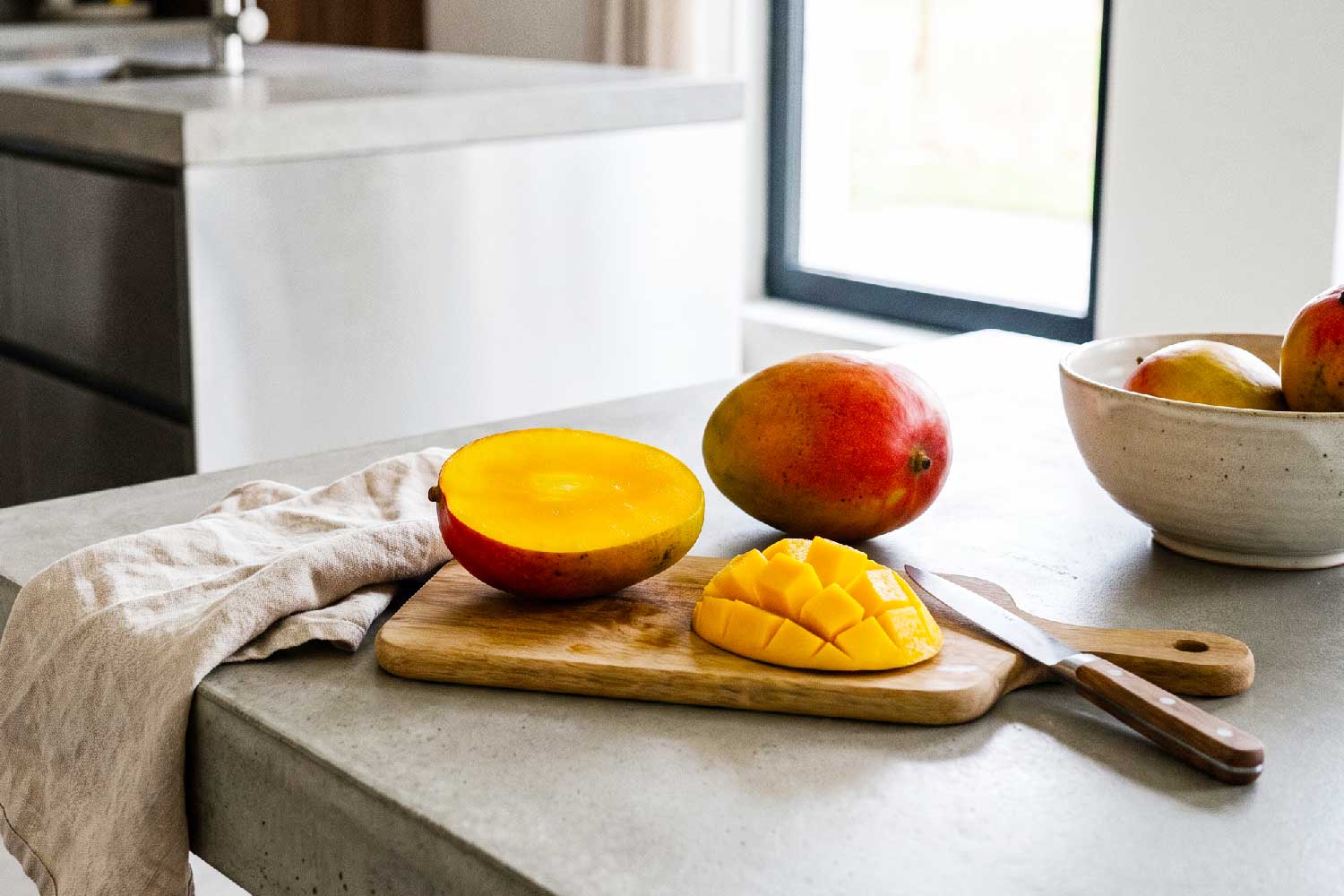
Few fruits capture the imagination quite like the mango. Known as the “king of fruits,” mangoes are celebrated worldwide for their sweet flavor, vibrant color, and versatility. In South Africa, mangoes are a summer staple, enjoyed fresh, blended into smoothies, or cooked into chutneys. But beyond their taste, mangoes carry centuries of history, cultural significance, and impressive nutritional benefits. This article unwraps the story of mangoes — from their origins to their role in modern kitchens — and shares delicious ways to enjoy them.
Origins and Cultural Significance
Mangoes originated in South Asia over 4,000 years ago. Ancient texts from India describe mangoes as symbols of prosperity, love, and fertility. Over centuries, traders and explorers spread mangoes across the tropics, from Africa to the Americas.
India: Mangoes are woven into mythology and religion, often associated with love and abundance.
Southeast Asia: Mangoes are used in traditional desserts like sticky rice with mango.
Africa: Mangoes became part of local diets, thriving in warm climates.
South Africa: Mango cultivation flourished in Limpopo and Mpumalanga, where the climate supports abundant harvests.
Today, mangoes are not just food — they’re cultural icons, celebrated in festivals and cuisines worldwide.
Mango Varieties in South Africa
South Africa produces several mango varieties, each with unique flavor profiles:
Tommy Atkins: Firm texture, slightly fibrous, with a mild sweetness.
Kent: Juicy, less fibrous, with a rich, sweet flavor.
Keitt: Large fruit, tangy-sweet, often harvested late in the season.
Zill: Smaller, intensely sweet, perfect for fresh eating.
These varieties ensure that South Africans enjoy mangoes from December through March, making summer truly synonymous with mango season.
Nutritional Benefits
Mangoes are more than a treat — they’re nutritional powerhouses.
Vitamin A: Supports eye health and immune function.
Vitamin C: Boosts immunity and collagen production.
Fiber: Aids digestion and supports gut health.
Antioxidants: Protect against cell damage and chronic diseases.
Low in Fat: Mangoes are naturally fat-free, making them a guilt-free indulgence.
Eating mangoes regularly can improve skin health, support digestion, and provide sustained energy.
Fun Facts and Trivia
Mangoes are the national fruit of India, Pakistan, and the Philippines.
The mango tree is the national tree of Bangladesh.
There are over 1,000 mango varieties worldwide.
In South Africa, mangoes are often dried into chewy snacks or processed into juices.
The largest mango ever recorded weighed over 4 kilograms.
These fun facts make mangoes not just delicious but fascinating.
Delicious Mango Recipes
1. Mango Smoothie
Ingredients:
Method: Blend all ingredients until smooth. Serve chilled.
2. Mango Chutney
Ingredients:
2 ripe mangoes, chopped
1 onion, finely chopped
½ cup vinegar
½ cup sugar
1 tsp ginger
1 tsp chili flakes
Method: Cook all ingredients in a pot until thickened. Store in jars. Perfect with curries or grilled meats.
3. Mango Salad
Ingredients:
Method: Toss all ingredients together. Serve as a refreshing side dish.
4. Mango Dessert Parfait
Ingredients:
Mango puree
Yogurt
Granola
Fresh mango cubes
Method: Layer ingredients in a glass. Chill before serving.
5. Mango Ice Cream
Ingredients:
2 ripe mangoes, pureed
1 cup cream
½ cup condensed milk
Method: Mix ingredients, freeze, and churn. Enjoy creamy homemade mango ice cream.
Mangoes in Everyday Life
Mangoes aren’t just for recipes — they’re versatile in everyday life:
Breakfast: Add mango slices to cereal or oats.
Snacks: Enjoy dried mango strips for on-the-go energy.
Drinks: Blend mango into smoothies, juices, or cocktails.
Desserts: Use mango puree in cakes, tarts, or puddings.
Their adaptability makes mangoes a staple in both traditional and modern kitchens.
Conclusion: Mangoes as a Fruit of Joy
Mangoes are more than just fruit — they’re a celebration of culture, nutrition, and flavor. From their ancient origins to their modern role in South African cuisine, mangoes connect people across generations and continents. Whether enjoyed fresh, blended, or cooked, mangoes bring joy to every table.
By embracing mango season, families can enjoy not only delicious meals but also the health benefits and cultural richness that mangoes embody. Truly, the king of fruits deserves its crown.